General Fitness Needs General Training
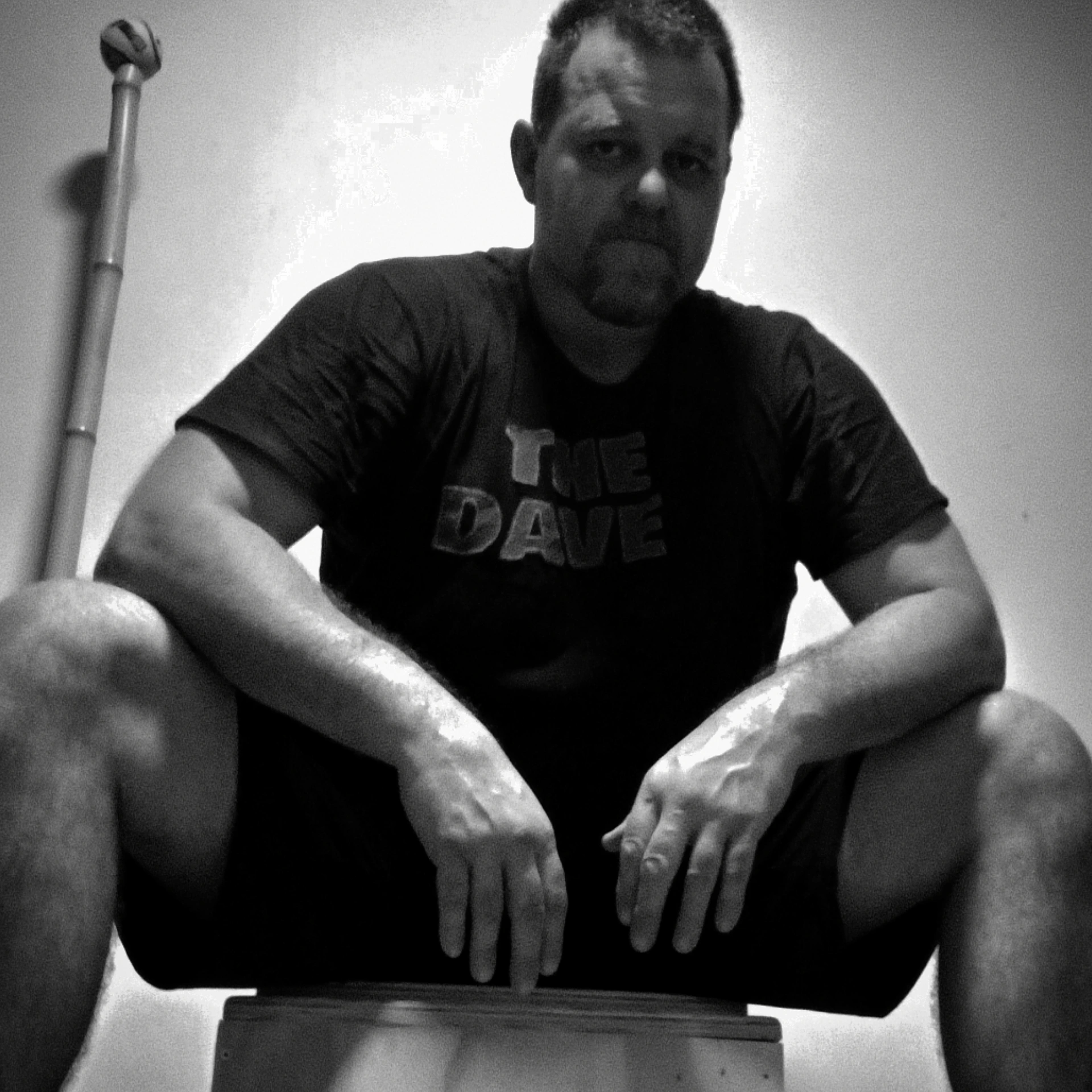
The Three Categories of Training: Why Your Goal Dictates Your Method
I've previously talked about the three categories that my clients fall into.
Athletes: Training to perform in a sport, from weekend warriors to semi-pros.
Rehab: Training to get out of pain and restore ability to a pre-injury state.
Enthusiasts: Training for fitness' sake—no specific sport, just staying ready for anything.
These are loose categories and subject to change, but most people flit between them. Why I bring these up is a follow-up to last week's discussion on Functional Training.
The Motivation Trap: Athletes vs. Enthusiasts
I find Categories 1 and 2 (Athletes and Rehab) to be remarkably similar. There is a clearly defined goal and the person is highly motivated to hit it. Most of the time, anyway.
Many times I program stuff that is different from what the person thinks they should be doing—perhaps because of a different coach's instructions—and I have to remind them they came to me for a reason (poor performance or injury). With some to-ing and fro-ing, we usually find a place to work from.
The Enthusiasts are a different entity altogether. Simultaneously simpler and far more difficult. It is here we find a luscious hunting ground for snake oil salesmen. Everyone has "the answer," but the truth is, there is no single answer because there is no single problem.

The Power of GPP (General Physical Preparation)
Most "Enthusiast" issues—tight hips, backaches, or body composition—can be addressed with a well-rounded training program and sensible progression.
The WG-Fit Workout of the Day (the program we ran in the Wild Geese Lunchtime sessions) is an excellent choice for this. It works because:
Varied, not random: Hits all major movement patterns.
Adaptable: Doesn't require a "Wild Geese" level of equipment.
Consistent Track Record: It has "fixed" enough common problems that many Category 3s ended up "unretiring" back into competitive sports. (Link to check out that program: https://marketplace.trainheroic.com/workout-plan/program/hedges-program-1533807620?attrib=84662-email)
Physical Education and Movement Vocabulary
This brings us to youth sports and PE. In my view, youth sports don't spend enough time on General Physical Preparation (GPP).
A good GPP or PE program should give a person a wide movement vocabulary. It should develop the skills of interoception and proprioception rather than obsessing over maximal numbers in a specific lift.
Understanding Your Body's Internal Maps:
Interoception: "How I feel" (internal sensations).
Proprioception: "Where am I" (spatial awareness).
You cannot develop deep proprioception without experiencing a large number of movements. It’s why people with backgrounds in martial arts, dance, or gymnastics pick up new skills easily in their later years, while single-sport athletes often struggle.
It is never too late to move in an unfamiliar way. Your body will thank you for it, as long as you don't do anything stupid.
Keep it simple, at least to start.
Simple.
Not easy.
Dave Hedges
Key Training Principles
Identify Your Category: Know if you are training for a specific outcome (Athletic/Rehab) or general capacity (Enthusiast).
Build Movement Vocabulary: Diverse inputs from different activities (martial arts, nature, varied lifting) create better long-term physical literacy.
Focus on GPP: General Physical Preparation is the foundation that allows "Enthusiasts" to stay ready for anything and avoid common "desk-bound" injuries.


Comments